Pushback
The Olympics Run on Fuel. LA28 Is Right Not to Pretend Otherwise
A county climate official quit an Olympic advisory panel over Phillips 66's sponsorship. But the Games need gasoline, diesel and propane, and Los Angeles taxpayers are on the hook if the money falls short.
By PRIYA DESAIStaff Correspondent · CALIFORNIA · Nov 28, 1:15 AM · 3 min. read
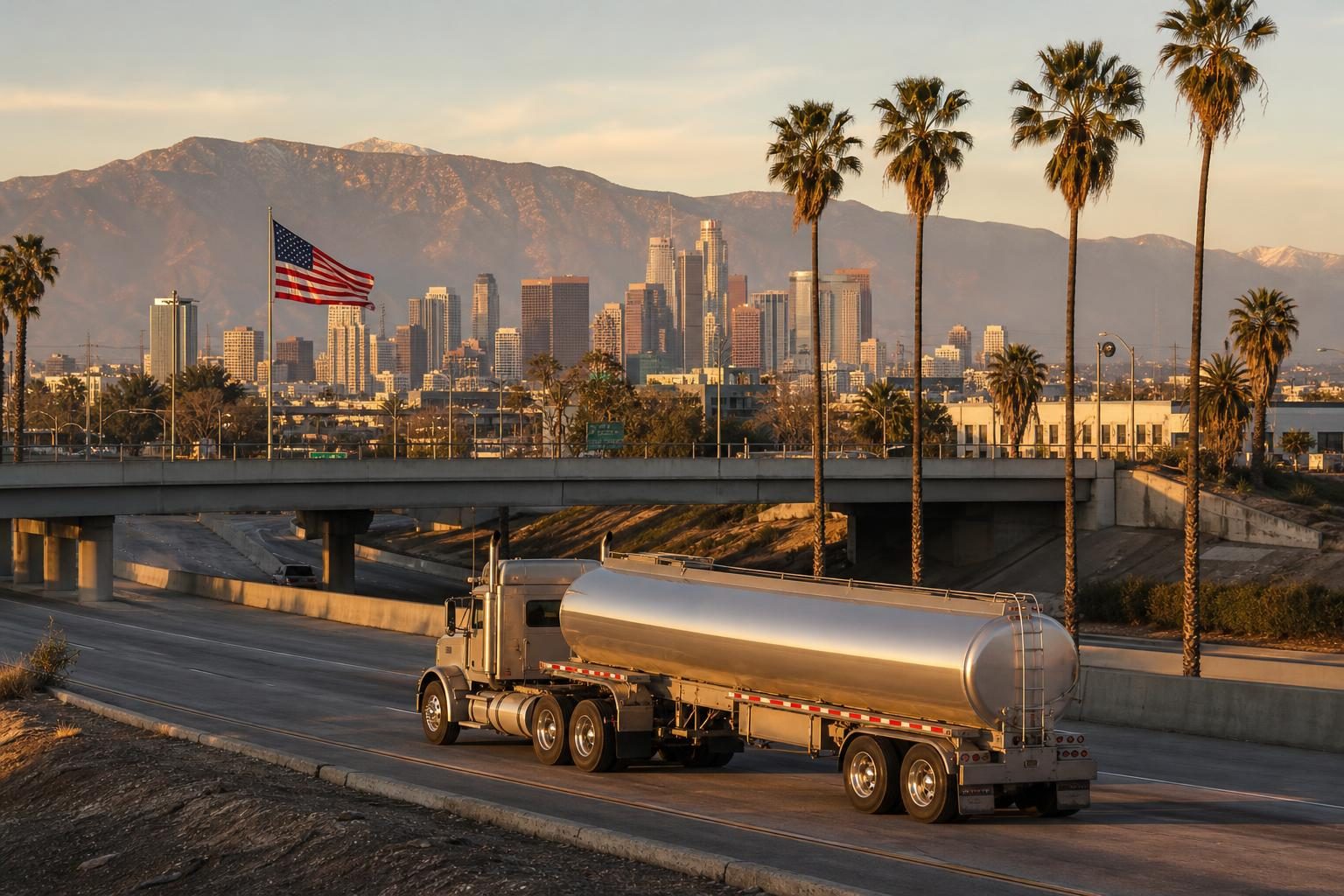
Illustration · Liberty Bell Report
Los Angeles County's chief sustainability officer, Rita Kampalath, has stepped down from an advisory group for the LA28 Olympic organizing committee in protest of the Games' new fuel sponsor, Phillips 66, LA Magazine reported. Kampalath served on the advisory group for LA28's Resilience Champions Fund, a grant program for nonprofits working on environmental issues such as wildfire resilience, and announced her decision on LinkedIn. She is keeping her county job.
Her argument, as reported by LA Magazine and Fox News, is that the Games should showcase the future Los Angeles is trying to build rather than the fossil-fuel dependence the region hopes to leave behind. At least one city leader agrees: Councilmember Katy Yaroslavsky has urged organizers to drop the sponsorship.
The objection is sincere. It also skips over how an Olympics actually works, who pays for it and where its fuel comes from.
The Games Run on Fuel
Under the partnership LA28 announced on Nov. 12, Phillips 66 will supply gasoline, renewable diesel and propane for vehicles and equipment used during the Games and for the torch relay. Those are not luxuries. An Olympics moves athletes, coaches, officials, journalists and volunteers across a sprawling metro area. It powers temporary venues and keeps security vehicles on the road around the clock. Every bus, generator and patrol car will burn fuel whether or not a supplier's name appears on a sponsor list.
Turning Phillips 66 away would not take a single gallon out of the Games. It would only take the sponsor's money out of the budget and leave organizers to buy the same fuel from someone else. That is symbolism, not stewardship. And the package is not all gasoline: renewable diesel, a lower-carbon fuel, is part of the deal.
Taxpayers Hold the Backstop
The money matters far more than the optics. LA28 is working with a projected budget of about $7.1 billion, and if the Games lose money, the city of Los Angeles is contractually responsible for the first $270 million in losses, with California taxpayers covering the next $270 million, NBC Los Angeles reported. Every sponsorship dollar lowers the odds that working families across the state will be asked to make up a shortfall.
That is the point Councilmember Tim McOsker made: turning down this sponsorship would put more financial risk on Los Angeles taxpayers. LA28 Chairman Casey Wasserman has tried to reassure residents about the Games' finances, and the New York Post's editorial board argued this week that everyone in the city, even its socialists, has a stake in making LA28 work.
California's Energy Reality
There is a larger lesson here. Phillips 66 announced in 2024 that it would stop refining at its Los Angeles-area refinery, a plant that processed about 139,000 barrels a day, in the fourth quarter of 2025, S&P Global reported. The company said the decision was not an immediate response to California's policy changes. Whatever the reason, it means less fuel made close to home for the millions of Southern Californians who still drive to work, school and church.
A region that wants reliable, affordable energy should not treat the companies that supply it as unwelcome guests. Shaming a fuel supplier off the Olympic stage sends the wrong message to the workers who make that fuel and the families who depend on it.
None of this puts Phillips 66 above criticism. In January the company settled a Clean Water Act case involving its Carson refinery and was ordered to pay $8 million in fines, LA Magazine noted. Holding a company accountable for violations is right. Punishing it for supplying the fuel the Games need is something else entirely.
What Comes Next
LA Magazine reported that LA28 had not publicly commented on Kampalath's departure. Organizers now face a choice between standing by a partner whose fuel they need and whose money protects taxpayers, or bowing to a protest that would change the Games' image and nothing else.
With the Games now a year and a half away, Los Angeles needs every partner it can get. The common-sense answer is to keep the fuel flowing and keep the bill away from the taxpayers.
Sources
- LA Magazine: L.A. County Sustainability Chief Quits LA28 Over Phillips 66 (link)
- Fox News: LA Olympics partnership with oil company prompts climate activist outrage, as board member resigns in protest (link)
- New York Post: LA28 Olympics must be a success — even the socialists must join the team effort to make it work (link)
- NBC Los Angeles: 2028 Los Angeles Olympics (link)
- S&P Global: Phillips 66 said it will cease operations at Los Angeles refinery in Q4 2025 (link)
- S&P Global: Phillips 66's Los Angeles-area refinery closure not due to new California regulations: company (link)
— 30 —