Pushback
A Court Win for Charities: Why Illinois Has No Business Polling Nonprofit Boards on Race and Sexuality
A unanimous federal appeals panel revived the challenge to Illinois' charity-board demographics law, and the Constitution's protections for free association point to the charities' side.
By BENJAMIN STONEStaff Correspondent · ILLINOIS · Nov 19, 3:30 PM · 3 min. read

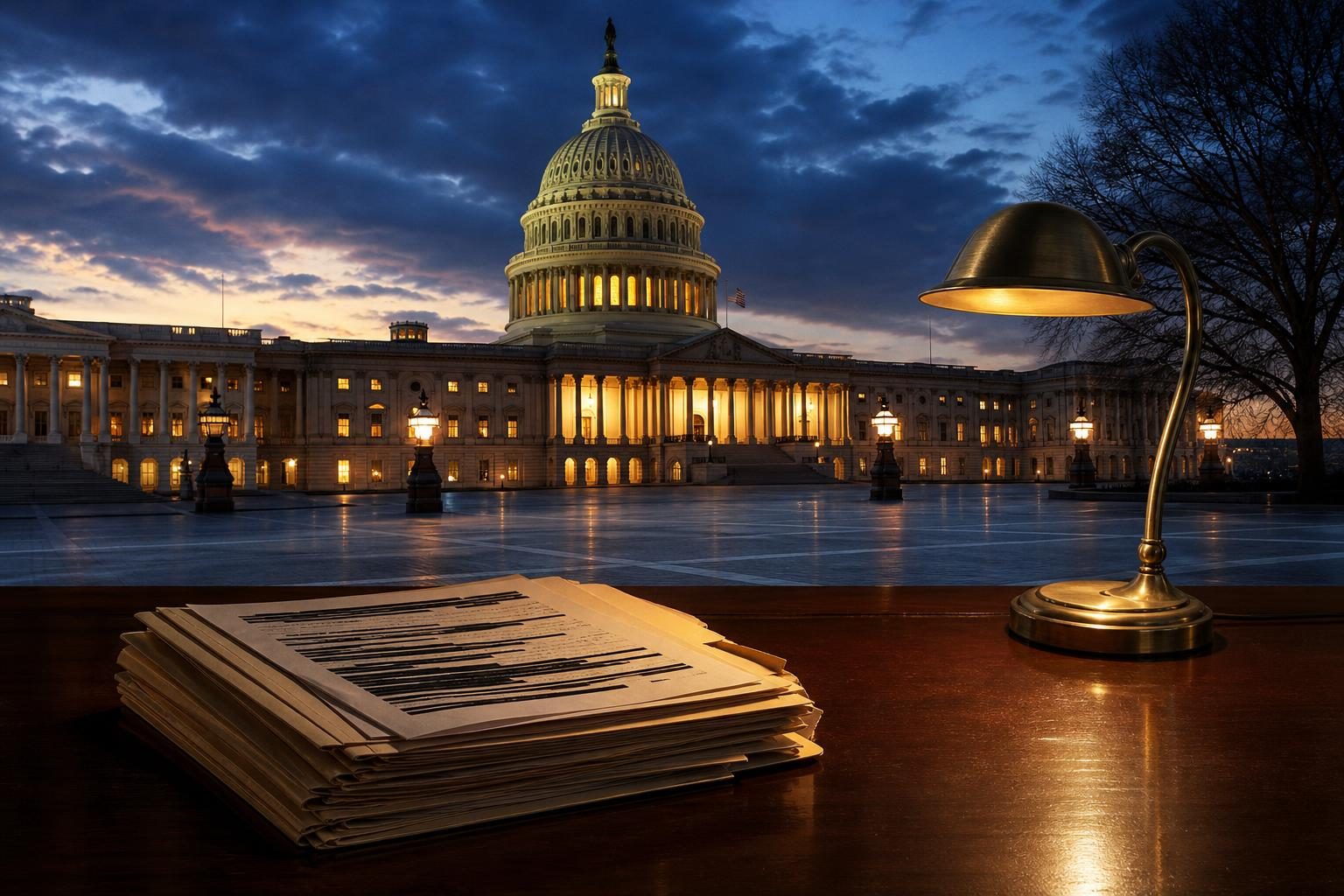
Illustration · Liberty Bell Report
A federal appeals court on Wednesday gave charities a fighting chance against an Illinois law that requires large nonprofits to collect and publish the race, gender and sexual orientation of their board members and officers, Crain's Chicago Business reported. A unanimous three-judge panel of the U.S. Court of Appeals for the Seventh Circuit reversed a lower court's dismissal and sent the challenge back to federal court in Chicago.
The ruling did not decide whether the law is constitutional. It decided something that comes first: whether the people objecting to it are allowed to be heard at all. For two years, Illinois has argued they are not.
What Illinois Did, and Why
The law, Senate Bill 2930, passed in 2024 and took effect in January 2025. It requires charities that give out $1 million or more in grants to post demographic information about their directors and officers on their websites, WTTW reported. The Washington Examiner described it as a mandate that charities survey their leaders about race, sexual orientation and gender identity and then publish the totals online.
The sponsor, state Sen. Adriane Johnson, a Democrat from Buffalo Grove, said she hoped the law would encourage more diversity in nonprofit organizations, according to WTTW. Illinois Attorney General Kwame Raoul pledged to defend it. The law lets individual board members decline to answer, and in court the state argued that because no one is forced to disclose anything personal, no one has been harmed, Crain's and the Chicago Tribune reported.
The American Alliance for Equal Rights, led by Edward Blum, sued in January 2025, and the Justice Department joined the case that March, arguing that the law violates the Fourteenth Amendment's Equal Protection Clause by pressuring nonprofits to consider race when choosing their leaders, Sullivan & Cromwell noted in a review of the filing. U.S. District Judge Sharon Johnson Coleman threw out both challenges, ruling that neither the alliance nor the federal government had standing to sue.
Why the Answer Is No
The appeals court rejected the state's central argument. Judge Thomas Kirsch, writing for the panel, found that the challengers have standing, and the court disagreed with Illinois' claim that the law compels no one to disclose anything. The panel also agreed that the alliance's member charities may stay anonymous while the case continues, the Tribune reported. That matters, because the people most exposed by a disclosure law should not have to expose themselves just to fight it.
Common sense supports the court. A survey sent to every board member, followed by a public scorecard posted online, is not a neutral exercise. Its stated purpose, as the sponsor described it, is to encourage more diversity on nonprofit boards. When the state tells a private charity that the race and sexuality of its volunteers will be tallied and displayed for the world, the message to any board choosing its next member is plain.
The Constitution has a word for that kind of pressure. In Americans for Prosperity Foundation v. Bonta in 2021, the Supreme Court struck down California's demand that charities hand over the names of their major donors, holding that a compelled disclosure rule must be narrowly tailored to a real government interest. In the majority opinion, Chief Justice John Roberts warned that the risk of chilling people's freedom to associate is itself a constitutional concern. Illinois is not asking for donor names, but it is asking for something just as personal, and it is asking for it in order to change how private groups choose their leaders.
Charities exist to serve, whether the cause is feeding families, healing the sick or teaching children. Many of them are rooted in faith and governed by people chosen for their convictions and their competence. The right question for any board is who will serve the mission best. Government has no business turning that question into a demographic ledger, and the Justice Department argues the Equal Protection Clause forbids exactly that kind of racial nudging.
Who Is Pushing Back, and What Comes Next
The coalition against the law is broad. Blum's alliance and the Justice Department are now both back in court, two charities have stepped forward as members of the challenge, and a Washington Examiner commentary has argued that the law cannot stand. Blum said his group will keep pressing the case, Crain's reported.
The fight now returns to Judge Coleman, where the state will have to defend the law on the merits rather than on procedure. Illinois could also choose a simpler path: repeal a rule that asks good people to report their race and private lives as the price of serving their neighbors. Either way, Wednesday's ruling means the charities finally get their day in court, and on the record so far, the Constitution looks to be on their side.
Sources
- Crain's Chicago Business: Federal court revives challenge to Illinois DEI disclosure law (link)
- Daily Herald (Chicago Tribune): Appeals court deals blow to Illinois in case over nonprofit DEI law (link)
- Washington Examiner: None of your business, Illinois (link)
- WTTW: US Department of Justice Targets New Illinois Law Requiring Nonprofits to Post Leadership Demographics (link)
- Sullivan & Cromwell: Justice Department Intervenes in a Lawsuit that Takes Aim at Illinois Law Requiring Nonprofits to Disclose Director and Officer Demographic Information (link)
- Gibson Dunn: Supreme Court Holds That California's Donor Disclosure Law Violates The First Amendment (link)
— 30 —