Military & Defense
The Enemy Logged On: Report Says Iran Turned Starlink Against U.S. Forces in the War's First Days
The Washington Post says Iran used SpaceX's satellite internet to run drones after U.S. strikes cut its networks. SpaceX tightened sales; the Pentagon says it knows of no such report.
By DAN WHITAKERStaff Correspondent · VIRGINIA · Nov 28, 8:30 PM · 3 min. read
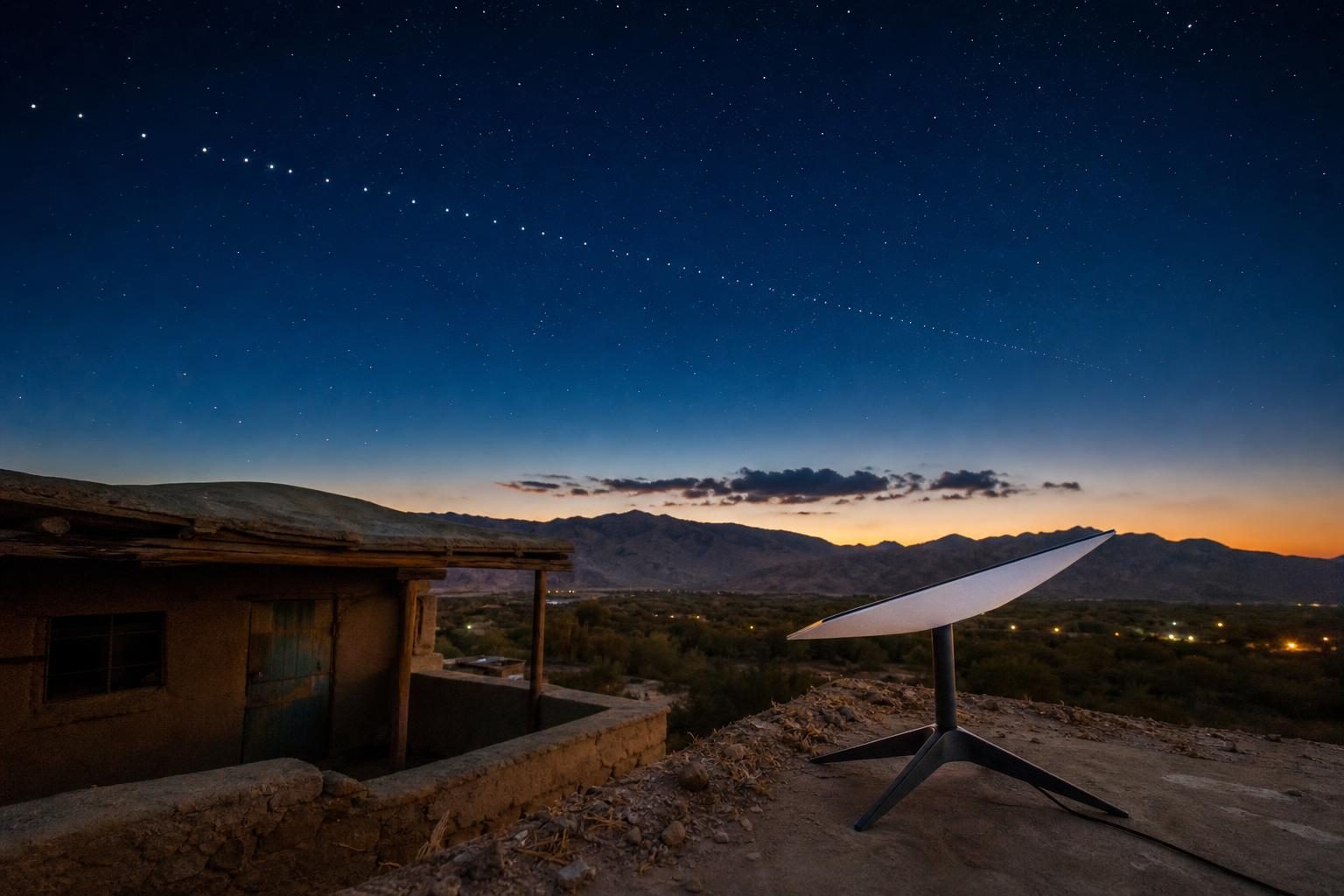
Illustration · Liberty Bell Report
Iran's forces turned to SpaceX's Starlink satellite internet in the opening days of the war with the United States, using it to direct operations and one-way attack drones after American strikes targeted Tehran's traditional communications systems, The Washington Post reported Saturday, citing four people familiar with the operations. The Jerusalem Post also reported the findings.
SpaceX moved to close the door once it saw what was happening. The company's team concluded in the first week of March that Iran was exploiting the service, and SpaceX then tightened restrictions on who could sell Starlink terminals and paused a program that let indirect resellers move its equipment, according to the reports. Elon Musk was angered by the Iranian use, the Post reported.
What the Pentagon Says
The Defense Department has not confirmed the account. Pentagon spokeswoman Kingsley Wilson told the Post the department was not aware of any Central Command report to the defense secretary's office on the subject, and she declined to say whether Iran had used Starlink in its military operations more broadly.
Important questions remain open. The reporting did not establish who operated the terminals inside Iran or how many were active. Nor did the Post confirm that Starlink played any part in the March 1 strike at Port Shuaiba in Kuwait that killed six American service members.
The Hard Trade-Off
The story exposes a dilemma with no easy answer. SpaceX could technically switch off Starlink over Iran, satellite industry executives told the Post, but doing so would also cut off dissidents and ordinary Iranians who use the service to get around the regime's internet blackouts. Reuters has examined how Starlink held up as Iran's government tried to choke off communications during its crackdowns.
That is the double edge of a technology built to connect anyone, anywhere. The same small dish that lets a young woman in Tehran tell the world what her government is doing can, in the wrong hands, keep a drone crew in touch after its radios go dark. A free country should not give up the first use to prevent the second. It should get better at stopping the second.
The Post also reported that Musk was unhappy with the Pentagon itself for flying one-way drones on a cheaper Starshield service plan that was meant for ground use. That dispute is a reminder of how much America's own military now leans on privately built satellite networks, and of the need for clear contracts and rules on both sides.
Why It Matters to Our Readers
For the families of the men and women serving in the Gulf, this is not a technology story. It is a question of whether the enemy could talk to its drones while American bases were under fire, and whether everything possible has been done since then to make sure it cannot happen again.
Iran's regime had little trouble finding a way around the loss of its own networks. Any terminal smuggled across a border, bought through a middleman or seized from a citizen can become a military tool. Closing those gaps takes cooperation between the companies that build these systems, the intelligence agencies that track their use and the commanders who depend on them.
SpaceX deserves credit for moving quickly to tighten its sales channels once it saw the problem. The Pentagon, for its part, owes the public and Congress a straight answer on what it knew and when, without exposing anything that would put troops at risk.
What Comes Next
Watch for questions from the armed services committees when Congress returns, for any further statement from SpaceX or the Pentagon on terminal controls in the region, and for whether investigators can say more about how Iran's forces coordinated the attacks on U.S. bases in March. Above all, the families of Port Shuaiba deserve to know whether this played any role in the loss of their loved ones.
Sources
- The Washington Post (via MSN): Iran used Elon Musk's Starlink to help wage attacks against U.S. (link)
- The Jerusalem Post: Iran used Musk's Starlink to support attacks on US forces (link)
- Yahoo News: Elon Musk 'Enraged' by Iran Using Starlink to Attack US Targets (link)
- Reuters (via Yahoo News): Analysis-Musk's Starlink faces high-profile security test in Iran crackdown (link)
— 30 —