Education
Senate GOP Bills Would Retire the Education Department for Good
Banks, Tuberville, Lee and Moody want to write the department's wind-down into law, sending its programs to Labor, Treasury and four other agencies.
By REBECCA HARTMANStaff Correspondent · INDIANA · Nov 23, 6:51 PM · 2 min. read

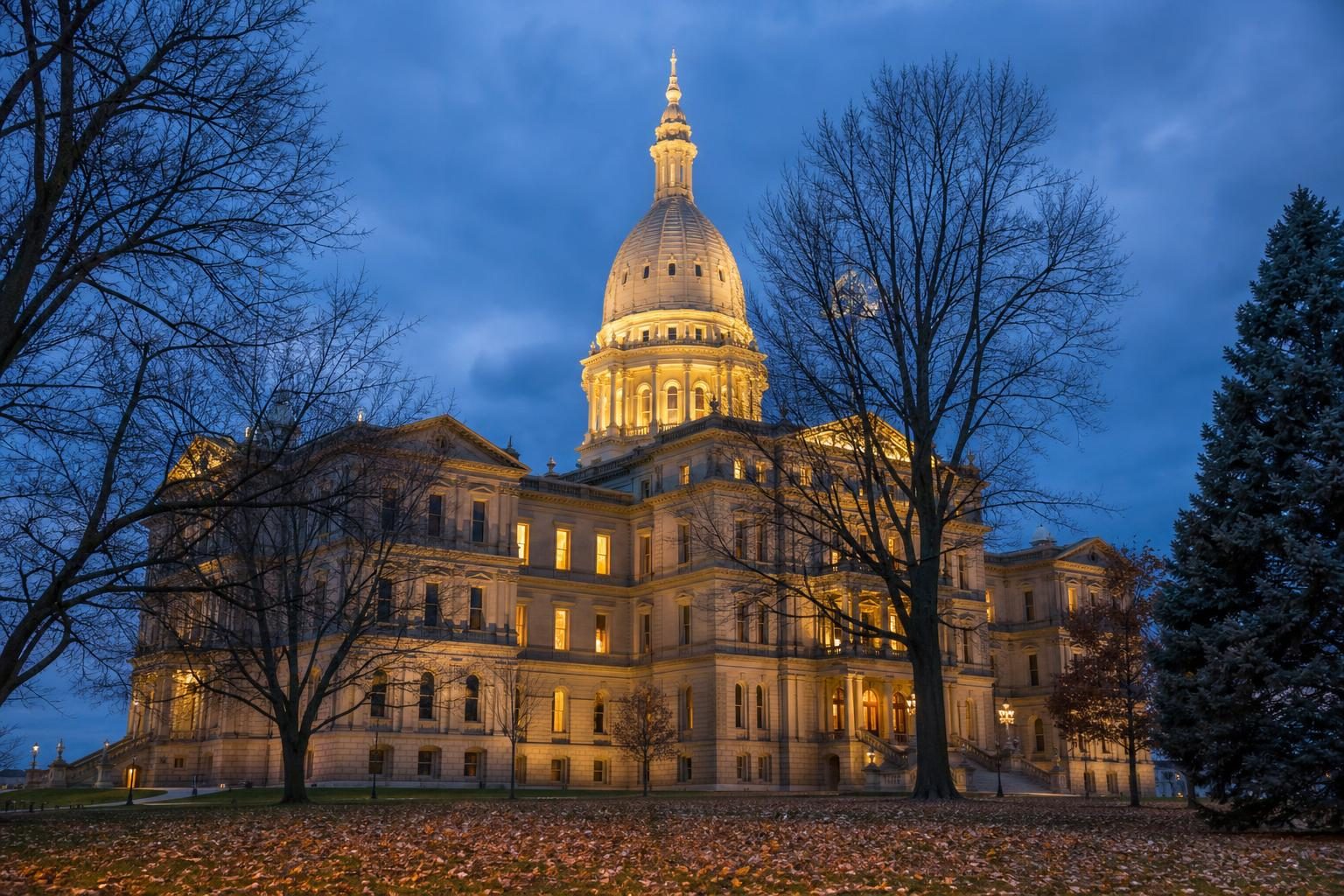
Illustration · Liberty Bell Report
Senate Republicans want to make sure the Education Department's wind-down outlasts any one administration. Sen. Jim Banks of Indiana, joined by Sens. Tommy Tuberville of Alabama, Mike Lee of Utah and Ashley Moody of Florida, a former state attorney general, has introduced a 10-bill package called "Less Bureaucracy, Better Education".
The bills would write into federal law the transfers the Trump administration has already begun, handing the department's programs to other cabinet agencies one piece at a time.
Where the Programs Would Go
Under the package, most of the department's elementary and secondary work, including Title I money for low-income schools, would move to the Labor Department, along with charter school, rural education, homeless student support, career and technical education and adult education programs.
Federal student aid would go to the Treasury Department, which already manages the government's student loan portfolio. Tribal education programs would move to the Interior Department, international education programs and enforcement of foreign gift disclosure rules to the State Department, and child-care and family-engagement programs to Health and Human Services.
The effort builds on President Trump's March 2025 executive order to begin closing the department and on 10 interagency agreements signed between May 2025 and March 2026 that already share the running of those programs with five other departments. In the House, the Education and Workforce Committee, led by Chairman Tim Walberg of Michigan, advanced its own version of the package along party lines in July.
The Odds
Closing a cabinet department takes an act of Congress, and major legislation in the Senate needs 60 votes to clear a filibuster. The math gets harder in January, when Democrats take control of the House with their largest majority since 1992 and take over the Senate as well.
That is the point of moving now: the bills put the reorganization on the record and hand future Congresses a finished blueprint rather than a slogan.
Why Parents Should Care
Education is not among the powers the Constitution assigns to the federal government, and the Tenth Amendment reserves the powers not delegated to Washington to the states and the people. For most of American history schools were run by the people closest to the children: parents, local boards and the states. The package moves Title I and student aid rather than abolishing them, placing them with agencies that already handle grants and loans, and it would end a stand-alone federal bureaucracy that sits between families and their schools.
Critics will argue that scattering the programs makes them harder to protect. The burden now falls on them to explain what parents have gained from a department whose own functions can be handled elsewhere, and the debate will follow the next Congress into the new year.
Sources
- Office of Sen. Jim Banks: Sen. Banks and Colleagues Introduce Package to Dismantle Department of Education Bureaucracy (link)
- Fox News: Senate GOP pushes 10-bill package to dismantle Department of Education (link)
- American Greatness: Senate Republicans Move to Make Trump's Education Department Wind-Down Permanent (link)
- Fox News: Democrats win largest House majority since 1992 in 2026 midterms (link)
- Newsmax: Democrats Split Over Senate Filibuster Changes (link)
— 30 —