Consumer News
Family Dollar Will Pay $63 Million Over Register Prices That Didn't Match the Shelf: How Shoppers Can Get Their Share
The FTC and 17 states say the chain charged customers more at checkout than its shelf tags and ads showed, often in towns with few other places to buy groceries. Here is what the settlement does and what to watch for.
By MEGAN O’BRIENStaff Correspondent · ARKANSAS · Nov 14, 7:00 AM · 2 min. read
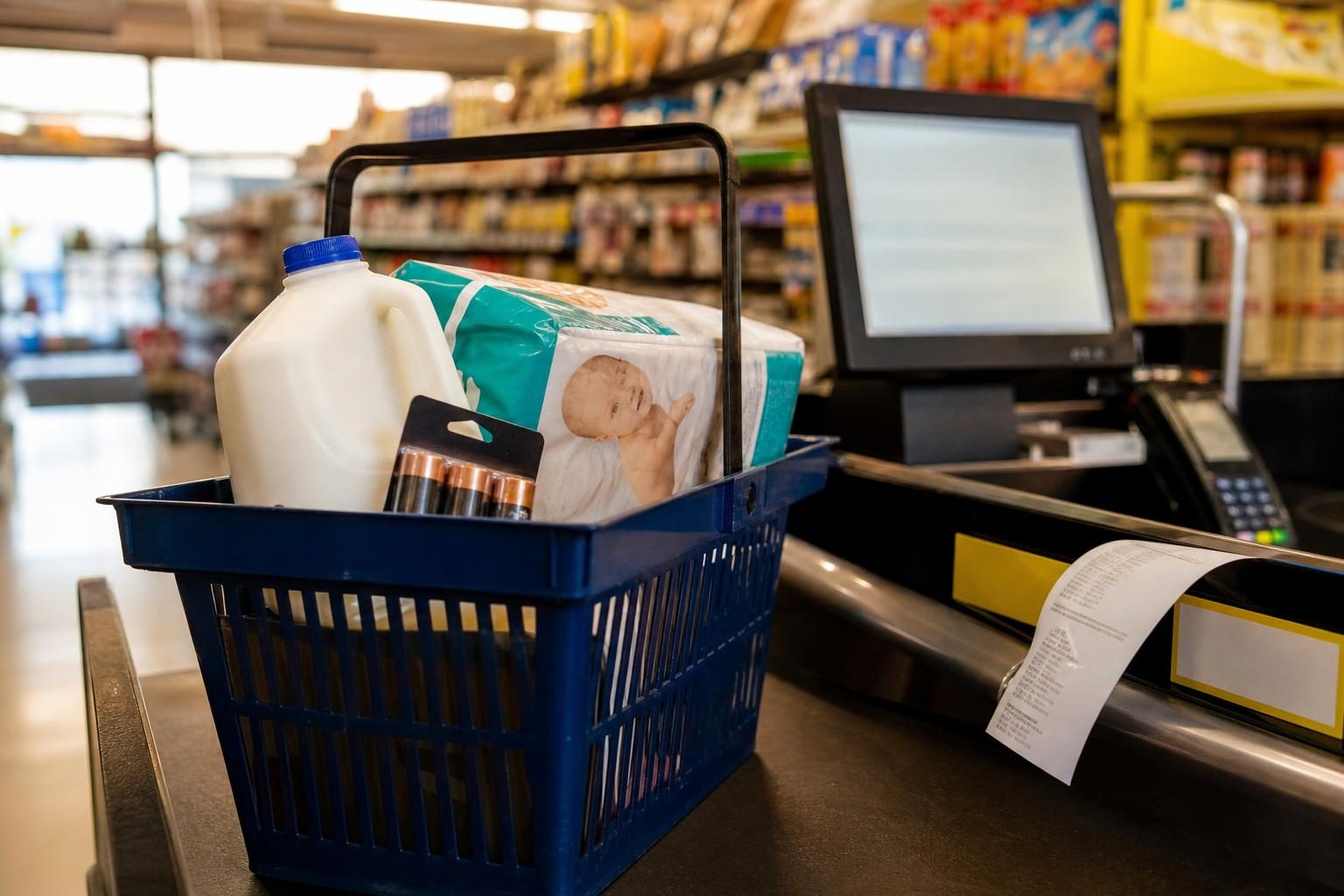
Illustration · Liberty Bell Report
Family Dollar has agreed to pay $63 million to settle federal and state claims that it routinely charged shoppers more at the register than the prices on its shelves, its website and its mobile app, the Associated Press reported. The Federal Trade Commission and 17 states brought the case, and the proposed order was filed in federal court.
The company did not admit or deny wrongdoing in agreeing to settle, and the deal still needs a judge's approval.
What Regulators Say Happened
According to the FTC, thousands of Family Dollar stores across the country overcharged customers, including stores in low-income communities with little access to full-service grocery stores, and the company failed to fix the problem even after it was warned. The agency framed the case as a matter of basic price transparency: the price a shopper sees on the shelf or in an ad should be the price the shopper pays. The Guardian, which had reported on the chain's pricing before the settlement, said the overcharges hit everyday staples such as milk, diapers, batteries and toilet paper.
For families who shop at a dollar store because it is the closest place to buy food or because every dollar counts, a few cents or a few dollars at the register adds up. That is what makes this case different from an ordinary billing dispute. The people most likely to be hurt are the ones with the least room in the budget and the fewest other options.
Where the Money Goes
The $63 million breaks down into three parts, according to CBS News:
- $40 million goes into a fund to repay customers who bought from the chain starting in January 2023.
- $20 million pays for a discount program in which Family Dollar must offer 15% off a range of goods for two days.
- More than $3 million goes to the states that joined the case.
Shoppers will be able to file claims through the company's website once a federal court approves the settlement, CBS reported. Family Dollar must also post notices in its stores and on its digital platforms telling customers they may be eligible.
The states' shares are modest. The Arkansas attorney general's office said that state will receive $95,321. Utah was also among the states that brought the case, KSL reported.
The Rules Going Forward
The order bars Family Dollar from misleading customers about prices and requires a pricing-accuracy program that must be checked and certified by an independent assessor every year. In other words, the company will have to prove, not just promise, that the price on the tag is the price at the register.
A company spokeswoman told CBS News the chain is focused on "strengthening pricing accuracy across our stores" and keeping customers' trust.
How to Protect Yourself at the Register
The settlement will help, but shoppers do not have to wait for a court to protect themselves. A few habits make a difference at any store:
- Snap a quick photo of shelf tags on sale items or anything that seems underpriced, so you have proof at checkout.
- Watch the screen as items are scanned, and check your receipt before you leave the store.
- If the register price is higher than the tag, ask a manager to fix it on the spot. Many stores will correct it right away.
- Keep receipts for larger purchases until you are sure the charge was right.
What Comes Next
Once the court signs off, the claims process will open and the discount days will be scheduled. Customers who believe they were overcharged since January 2023 should watch for notices in stores and online.
Honest prices are a basic promise between a store and its customers. When that promise breaks in the neighborhoods that can least afford it, enforcing the law is not big government overreach. It is simple fairness to working families.
Sources
- Federal Trade Commission: FTC and 17 States Secure $63 Million Settlement with Family Dollar Stores in Price Transparency Win for Consumers (link)
- CBS News: Family Dollar to pay $63 million to settle claims it overcharged customers (link)
- ABC News (Associated Press): Family Dollar to pay $63M to settle allegations it routinely overcharged customers (link)
- The Guardian: Family Dollar to pay $63m to settle overcharging allegations (link)
- KSL: Family Dollar to pay $63M settlement after Utah, FTC allege company overcharged customers (link)
- KARK: Arkansas attorney general announces $63 million settlement with Family Dollar (link)
— 30 —