Business & Economy
Truce Holds: China Extends Its Pause on Banning Key Minerals Exports to the U.S. Into January
Beijing will keep its ban on U.S.-bound gallium, germanium and antimony on hold through Jan. 27, preserving a fragile trade truce days before the suspension was set to expire, but other controls remain in force.
By MARCUS HALEStaff Correspondent · WASHINGTON · Nov 24, 7:00 AM · 3 min. read
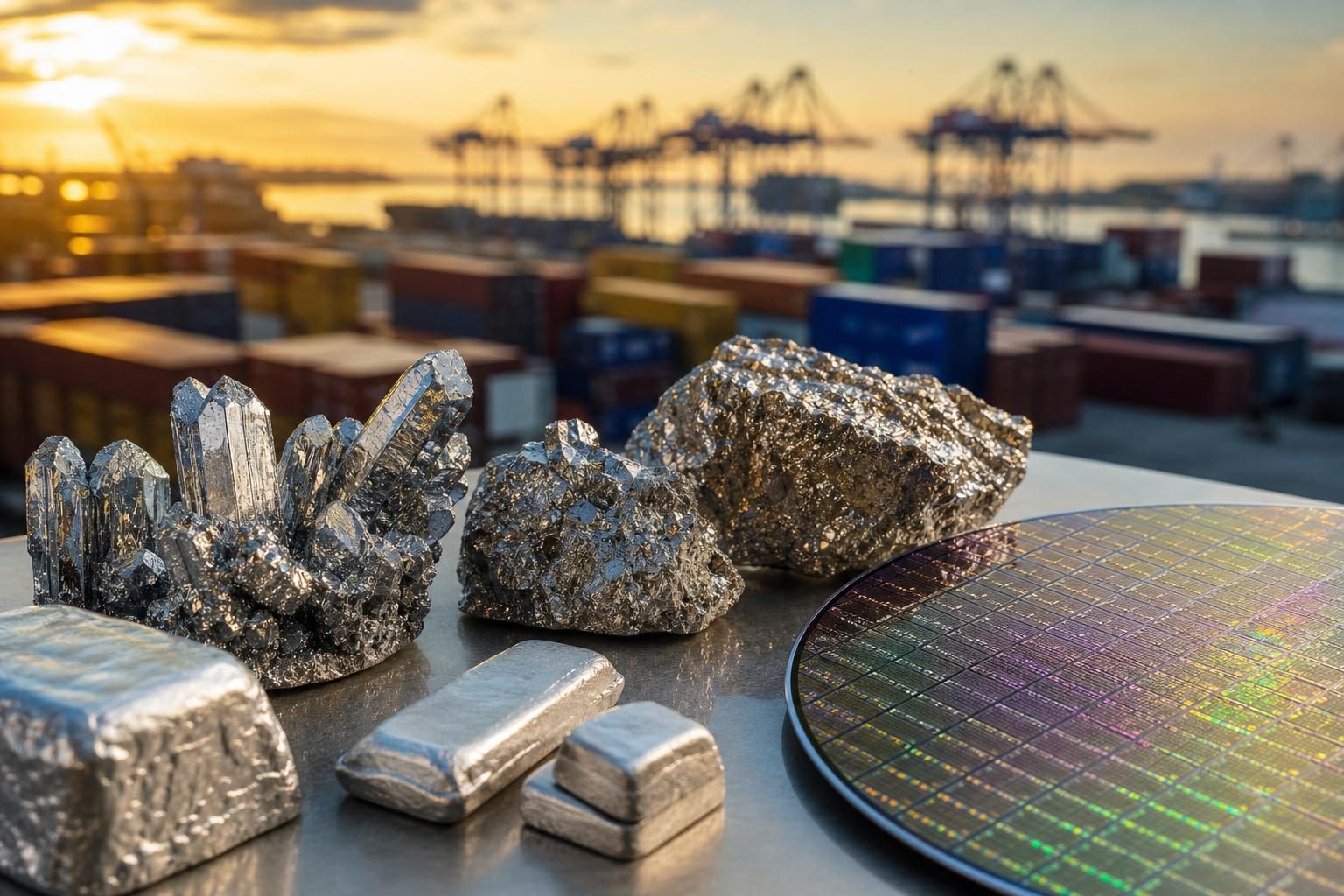
Illustration · Liberty Bell Report
China has blinked again on one of its sharpest economic weapons. Beijing's Commerce Ministry extended its suspension of a ban on exports of gallium, germanium and antimony to the United States through Jan. 27, 2027, Bloomberg reported Tuesday. The pause had been set to expire Friday.
The decision keeps a key part of the U.S.-China trade truce in place even as tensions run high over technology and advanced chips. China also extended the suspension of tighter review rules on graphite exports, according to the reports.
Why These Minerals Matter
Most Americans have never heard of gallium or germanium, but they are in the devices and defense systems the country relies on. Gallium is used in semiconductors for radar, 5G networks and LED lighting; germanium goes into fiber optics, infrared night-vision systems and satellite solar cells; and antimony is used in flame retardants, batteries and military munitions. China dominates the global supply of all three, which is exactly why Beijing has used export controls on them as leverage.
When China first moved to cut off U.S.-bound shipments, prices for some of these materials jumped and American manufacturers scrambled for alternative suppliers. The suspension gives companies breathing room, but only for a matter of weeks at a time.
A Truce Measured in Weeks
The latest extension is the second step in a month. On Nov. 9, China extended its suspension of a broader package of rare earth and battery export controls announced in October 2025 until Jan. 10, 2027, along with related tariff suspensions that keep the truce reached between President Trump and Chinese President Xi Jinping alive, The National reported.
Not everything is on hold. China's ban on exports of certain dual-use items to U.S. military users, or for military purposes, was not included in the suspension, and the April 2025 licensing controls on seven rare earth elements remain in force, according to Business Upturn. In practice, that means American defense contractors still face hurdles that ordinary commercial buyers may not.
The Lesson for America
The pattern is clear: Beijing turns supply on and off to keep Washington guessing. A truce renewed every few weeks is not a foundation for long-term investment, and American companies know it. That is why the push to rebuild domestic and allied supply chains matters so much. The administration has set aggressive goals for catching up with China on rare earths and has pursued minerals deals with allies, and Congress has shown bipartisan interest in limiting China's leverage over critical materials.
The challenge is time. Mines, refineries and processing plants take years to permit and build. Until those projects come online, the United States remains exposed to decisions made in Beijing's Commerce Ministry, and each deadline becomes a new test of the relationship.
For investors, the extension removes a near-term risk heading into the end of the year. For policymakers, it is a reminder that the truce is fragile, especially after recent friction over chip export controls and the Commerce Department's blacklisting of a Singapore firm tied to the Nvidia chip probe, which Bloomberg described as part of growing tensions over technology.
Graphite deserves a mention too. It is the main material in the anodes of lithium-ion batteries, the kind that power electric vehicles, phones and grid storage, and China refines most of the world's supply. Tighter Chinese reviews of graphite exports, now suspended along with the minerals ban, would have hit battery makers that are trying to build plants in the United States.
For American manufacturers, the practical advice is the same one supply-chain managers have repeated for two years: stockpile when the window is open, sign up allied suppliers, and plan for the day the window closes. Every extension buys time, but none of them changes the underlying math of who controls the supply.
What Comes Next
Two dates now loom: Jan. 10, when the broader rare earth suspension is due to expire, and Jan. 27, when the gallium, germanium and antimony pause ends. Both will force a fresh decision in Beijing, and both will test whether the truce born of the Trump-Xi talks can hold into the new year.
Sources
- Bloomberg: China Extends Pause on US Minerals Ban to Maintain Truce (link)
- The Edge Singapore: China extends pause on US minerals ban to maintain truce (link)
- The National: China extends pause on rare earth export curbs for two months (link)
- Business Upturn: China keeps key mineral export curbs suspended until January 2027 as trade truce continues (link)
- Command Eleven Intel: Critical Minerals as a Weapon: How China's Gallium, Germanium and Graphite Controls Reach Business (link)
— 30 —