
 This morning on Command Post with Dan Whitaker
Israel Stretches Its Shield: A Cheaper, Longer-Range David's Sling Takes On Ballistic Missiles as Iran Rebuilds
An upgraded Stunner interceptor costs about a third of an Arrow 3 and a fraction of a Patriot, Bloomberg reports, as allies race to refill stockpiles drained by the war with Iran.
Filed November 20, 2026 · 📍 Washington, DC 20001
Were you there? Share your story
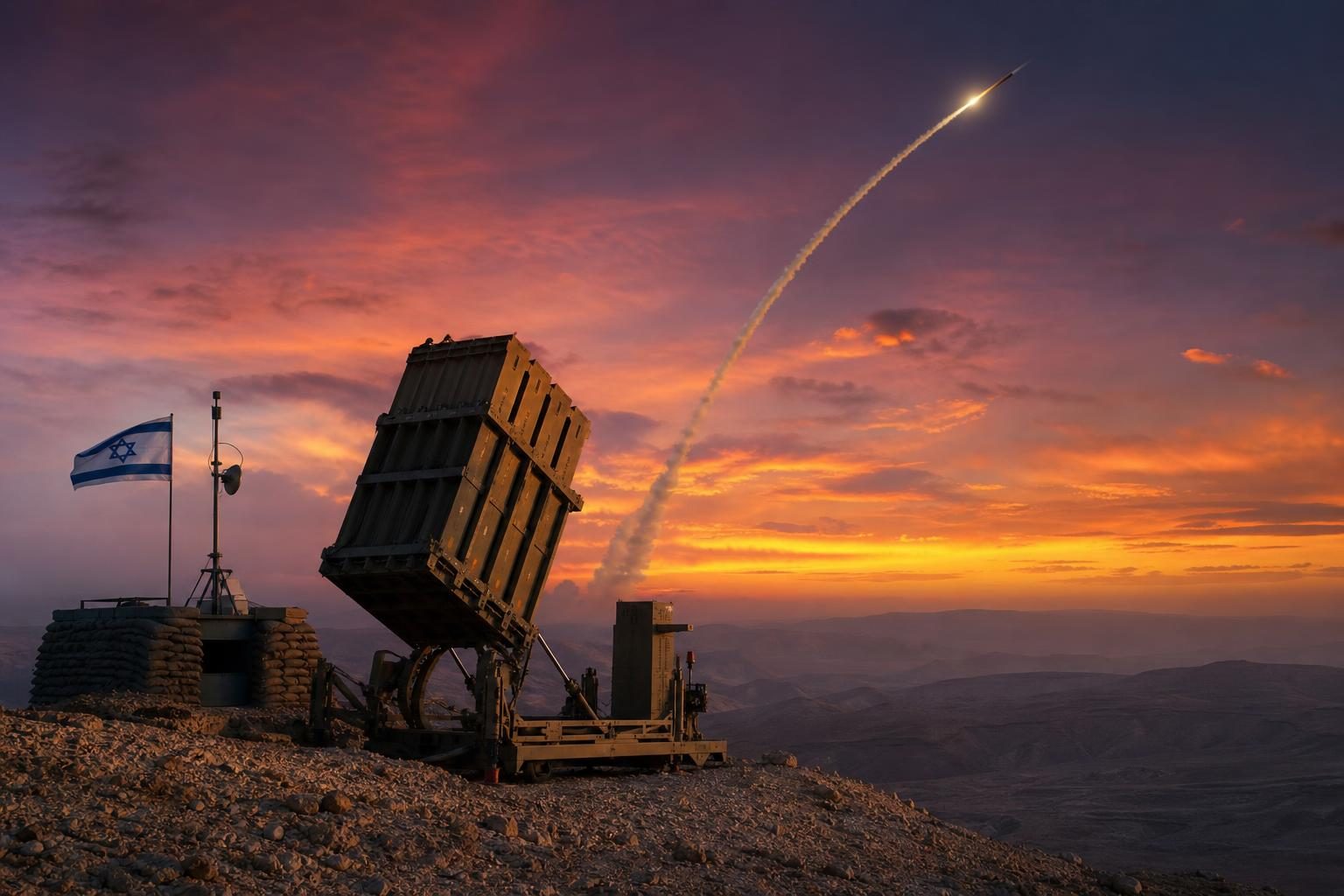
Key points
- Israel upgraded David's Sling to reach farther and stop more types of ballistic missiles, Bloomberg reports.
- The Stunner interceptor costs about $1 million, roughly a third of an Arrow 3; a Patriot PAC-3 can top $4 million.
- A Western estimate says Iran keeps at least 1,700 ballistic missiles and builds about 50 a month.
- Allied interceptor stocks are strained, and Israel has approved faster Arrow production.
Israel has upgraded its David's Sling air defense system to reach farther and to take on more kinds of ballistic missiles, a move aimed at saving its most expensive interceptors for the threats that truly need them, Bloomberg reported Friday [1]. The Jerusalem Post reported that the upgrade extends the system's interception range to counter the threat from Iran [2].
The economics are the heart of the story. David's Sling fires the Stunner interceptor, developed jointly by Israel's Rafael and the American defense company RTX. Each Stunner costs about $1 million, Bloomberg reported, roughly a third of the price of an Arrow 3 interceptor, while a single Patriot PAC-3 can cost more than $4 million [1].
Lessons Written in Missile Fire
A senior Israeli air force official told Bloomberg that Iran's missile barrages exposed weaknesses in the country's defenses but also gave the military data it used to improve its systems, in some cases within days [1]. The official was not named.
Ynetnews reported that Israel had already expanded the use of David's Sling, originally built for medium-range threats, to intercept ballistic missiles, partly to manage its stockpiles and stay ready for future rounds [4]. The new upgrade formalizes and extends that shift.
The threat is not going away. Iran likely retains at least 1,700 ballistic missiles and is producing about 50 a month, according to a Western intelligence estimate cited by Bloomberg [1]. That is the arithmetic every defense planner in the region now lives with: the enemy can build missiles faster and cheaper than the defenders can buy their most advanced interceptors.
Bloomberg also noted that long-range systems like Arrow 3 remain necessary [1]. The goal is a layered defense in which each threat meets the cheapest interceptor that can reliably stop it, with the costly Arrow reserved for the highest and fastest threats [1][4].
Stockpiles Under Strain, on Both Sides of the Atlantic
The upgrade comes as Western interceptor stockpiles run low and the United States struggles to keep up with demand for Patriots, Ynetnews reported [3]. Ynetnews also cited a Washington Post report that more American interceptors than Israeli ones were used during the war with Iran [3].
Israel's own supply has been a point of contention at home. Ynetnews reported that a months-long dispute between Israel's Defense and Finance ministries delayed orders for Arrow 3 interceptors even as stocks were becoming severely depleted [4]. A report by the British think tank RUSI estimated that Arrow inventories had fallen by about 80% and David's Sling by roughly 55%, figures Israeli defense officials rejected as exaggerated, according to Ynetnews [4]. Israel's ministerial procurement committee has since approved accelerated Arrow production [4].
Why It Matters to Americans
For readers here, this is not a faraway story. As the Washington Post finding cited by Ynetnews shows, American interceptors carried a large share of the load during the war with Iran [3]. Every Stunner that can do a job once reserved for a Patriot or an Arrow helps stretch a supply that American taxpayers and American factories also depend on. And because RTX is Rafael's partner on the Stunner [1], the program is a reminder that the U.S.-Israel alliance is a two-way street that supports American industry as well.
From my seat covering the Pentagon and our troops, the larger lesson is about production. Wars of missiles and drones are won partly in the factory. A defender who fires a $4 million interceptor at every threat will run out of money and missiles before the attacker does. Israel's engineers are trying to bend that curve, and Washington should be studying their work closely.
What Comes Next
Watch for three things: how quickly Israel fields the upgraded system across its batteries, whether Arrow production increases as promised [4], and whether the United States expands its own buying of Stunner and similar lower-cost interceptors. With Iran still building at a reported pace of about 50 missiles a month [1], the race between sword and shield is far from over.
Sources
- [1]Opens in a new tab ↗
- [2]The Jerusalem PostIsrael upgrades David's Sling air defense system, extends interception range to counter Iran threatOpens in a new tab ↗
- [3]YnetnewsMore bang for less buck: Israel turns to cheaper missile defense as interceptor stocks dwindleOpens in a new tab ↗
- [4]Opens in a new tab ↗
Should U.S. military aid to Israel end early?
- Yes, Israel can afford its own weapons
- Phase it out slowly
- No, keep it while Iran is a threat
More in Military & Defense
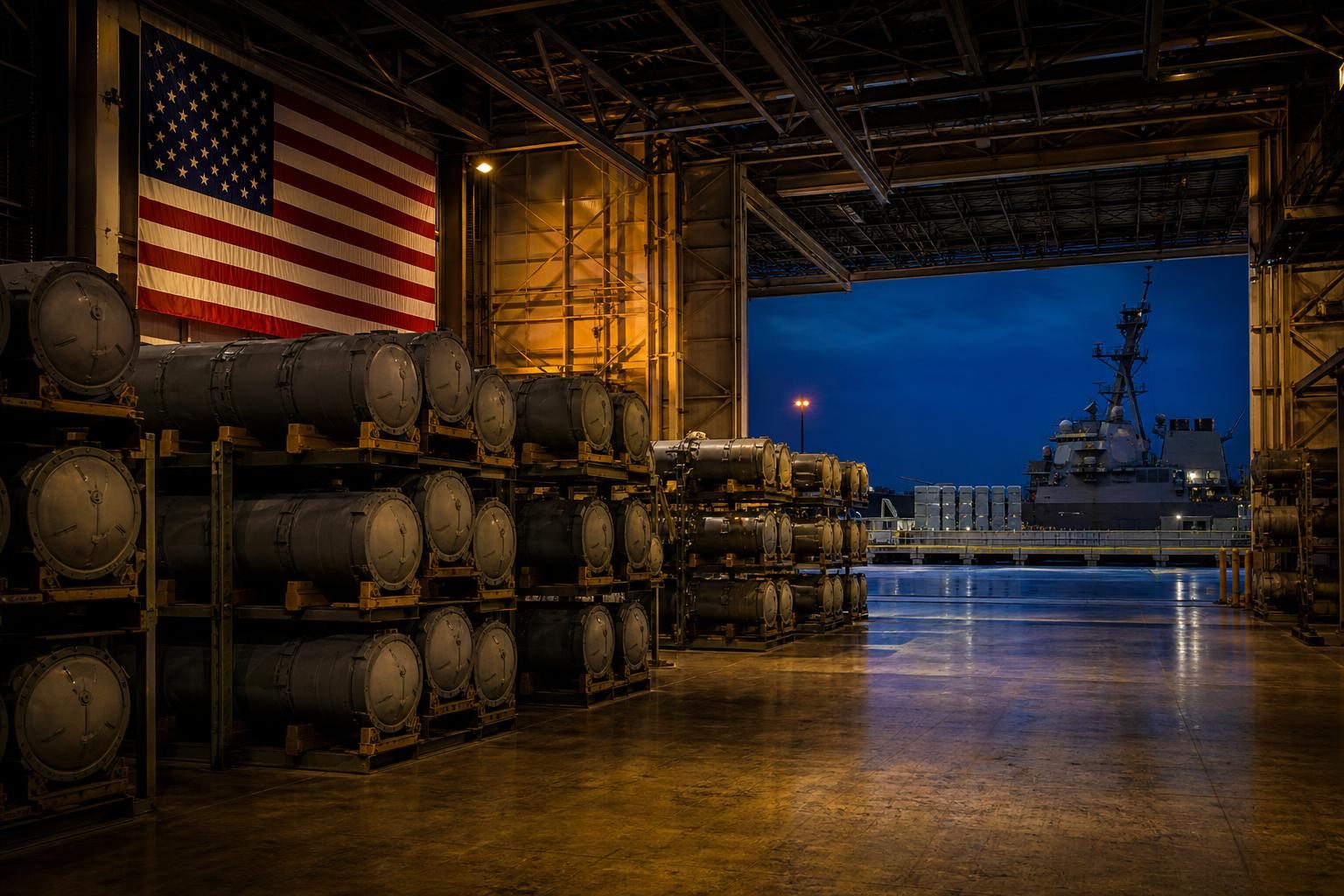
Watchdog Calls for One Pentagon Plan to Rebuild Munitions as Production and Funding Ramp Up
Last night on Command Post with Dan Whitaker
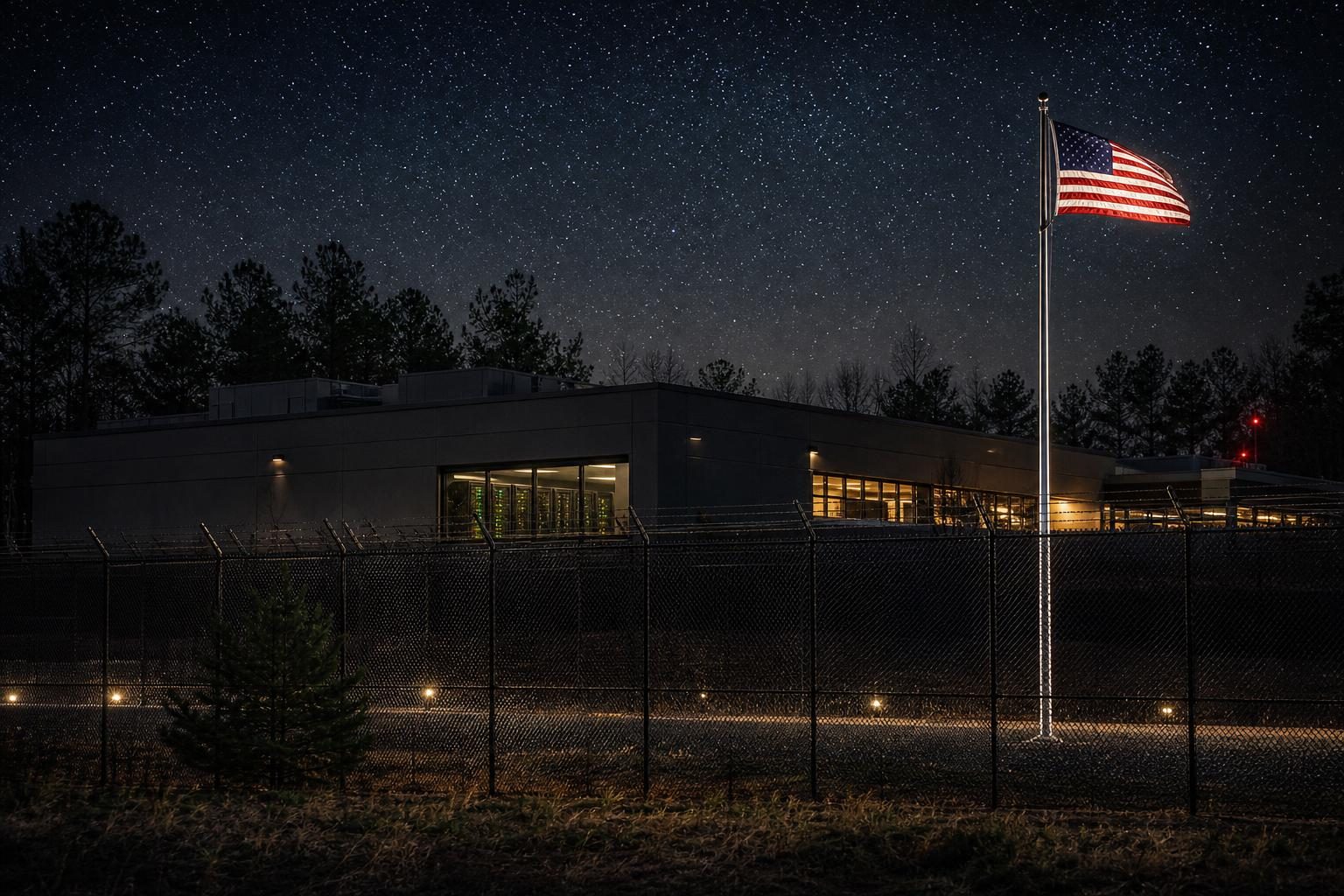
NSA Outage Drags Into Third Day, Hitting Georgia's Mideast Intel Hub
Yesterday on Command Post with Dan Whitaker

Odds Rise of New U.S. Strikes on Iran, Officials Say
Yesterday on Command Post with Dan Whitaker
Were you there?
If you were at the scene, or this story touched your life, tell us what you saw and what it was like.
Discussion 0
Sign in or create a free account to join the discussion.
No comments yet. Start the discussion.