
 This morning on Sunshine State Report with Tomás Ortega
Delray Beach's St. Patrick's Day Parade May Go Private Again as Florida's DEI Funding Ban Nears
City lawyers say the new state law bars Delray Beach from running the parade and its Pride event, but the mayor says sponsors are already stepping up to keep a tradition dating to 1968 alive.
Filed November 12, 2026 · 📍 Jacksonville, FL 32202
Were you there? Share your story

Key points
- Delray Beach says Florida's SB 1134 bars the city from organizing, funding or promoting its 2027 St. Patrick's Day parade and Pride event.
- The law, signed by Gov. DeSantis in April, takes effect Jan. 1 and stops local governments from funding DEI programming.
- The law does not ban privately organized events; cities can still issue permits and provide public safety.
- Mayor Tom Carney says private sponsors are stepping up and he is confident the parade will go on.
Delray Beach's St. Patrick's Day parade may be heading back to where it started: in the hands of private citizens. City officials announced Tuesday that Delray Beach will not organize the 2027 parade or its 2027 Pride event after concluding that a new state law bars the city from running them, and the mayor says private sponsors are already lining up to keep the parade going [1][2].
The city said in a statement posted to Facebook that after reviewing Senate Bill 1134, it determined it is legally prohibited from organizing, funding or promoting the two events, WPTV reported [1]. Fox News reported the same language from the city's announcement [4].
"We remain committed to serving all residents and providing opportunities for community engagement," the city said, adding that it would do so in line with state and federal law [1].
What the Law Actually Says
SB 1134, sponsored by Sen. Clay Yarborough, bars counties and cities from funding, promoting or taking official actions related to diversity, equity and inclusion, according to the Florida Senate's official bill summary [5]. It also bars local governments from spending money on DEI offices or officers, and from letting public funds be used by employees, contractors, volunteers or vendors to promote DEI [5]. The Senate passed it 25-11 and the House 77-37 [5].
Gov. Ron DeSantis signed the bill on April 22 at an event in Jacksonville, WFSU reported, and the governor has argued that DEI programs are themselves discriminatory [6]. The law takes effect Jan. 1, 2027 [1][5].
As WPTV described it, the law treats as DEI the programming designed or carried out with reference to race, color, sex, ethnicity, gender identity or sexual orientation [1]. Local officials who violate it can be found guilty of misfeasance or malfeasance in office, and residents can sue a city or county that breaks it, according to the Senate summary [5].
Just as important is what the law does not do. WPTV reported that it does not categorically prohibit privately organized events that receive a city permit, and that cities may still issue content-neutral event permits and provide police and fire protection [1]. Local governments may also continue to recognize certain federal and state holidays and observances [1].
In other words, the law does not ban a parade, a party or a festival. It stops taxpayers from being made to pay for programming built around identity categories.
A Cautious Reading, and a Way Forward
The city's statement pointed to the law's language on programming designed or implemented with reference to ethnicity, sexual orientation or gender identity, Fox News reported, a reading broad enough to sweep in a parade celebrating Irish heritage [4]. Not everyone agrees with that call. One resident told CBS12 he did not understand why the parade would fall under DEI at all [3].
Mayor Tom Carney is not waiting for the debate to be settled. He told WPTV that the parade used to be a private event, that his own family once helped underwrite it, and that it can be private again [2]. He said he had reached out to about half a dozen people and that others had offered to help pay for it [2].
"You don't want to cancel things people have grown accustomed to," Carney told the station [2]. He said he is confident the parade will go on in 2027, though talks are early and no plan is final [2].
The tradition runs deep. CBS12 reported that Delray Beach's St. Patrick's Day celebration dates to 1968, and that the city and its fire department took over hosting it only in 2019 [3]. Carney told CBS12 he would also support a privately funded Pride festival, and that an outside group could run either event with private money and a special-event permit [3].
Local businesses want the parade to continue. Lisa Walsh, owner of Tim Finnegan's Irish Pub, told CBS12 the parade is a big business day [3]. Rand Hoch, founder of the Palm Beach County Human Rights Council, cautioned that any private organizer would have to raise money for security and cleanup [3].
Why It Matters
Some coverage has framed the decision as Florida canceling St. Patrick's Day. That is not what is happening. The law draws a line between what government pays for and what citizens do on their own, and Delray Beach's own history shows the parade thrived for decades before city hall ran it [3][5].
For conservatives, that line is the point. Churches, civic clubs, Irish heritage societies and local businesses built America's great parades long before city budgets did. If Delray Beach's sponsors come through, the 2027 parade could end up a better example of community spirit than any city-run event.
Other cities are taking notes. In Tallahassee, a city commissioner said in April that attorneys were reviewing how the law could affect city funding for events such as Pride and a Greek food festival, WFSU reported [6]. More Florida communities are likely to face similar choices before the law takes effect on New Year's Day.
Sources
Should Florida ban new data centers until it studies power and water use?
- Yes
- No, bring the jobs
- Only near neighborhoods
More in Florida & Southeast News
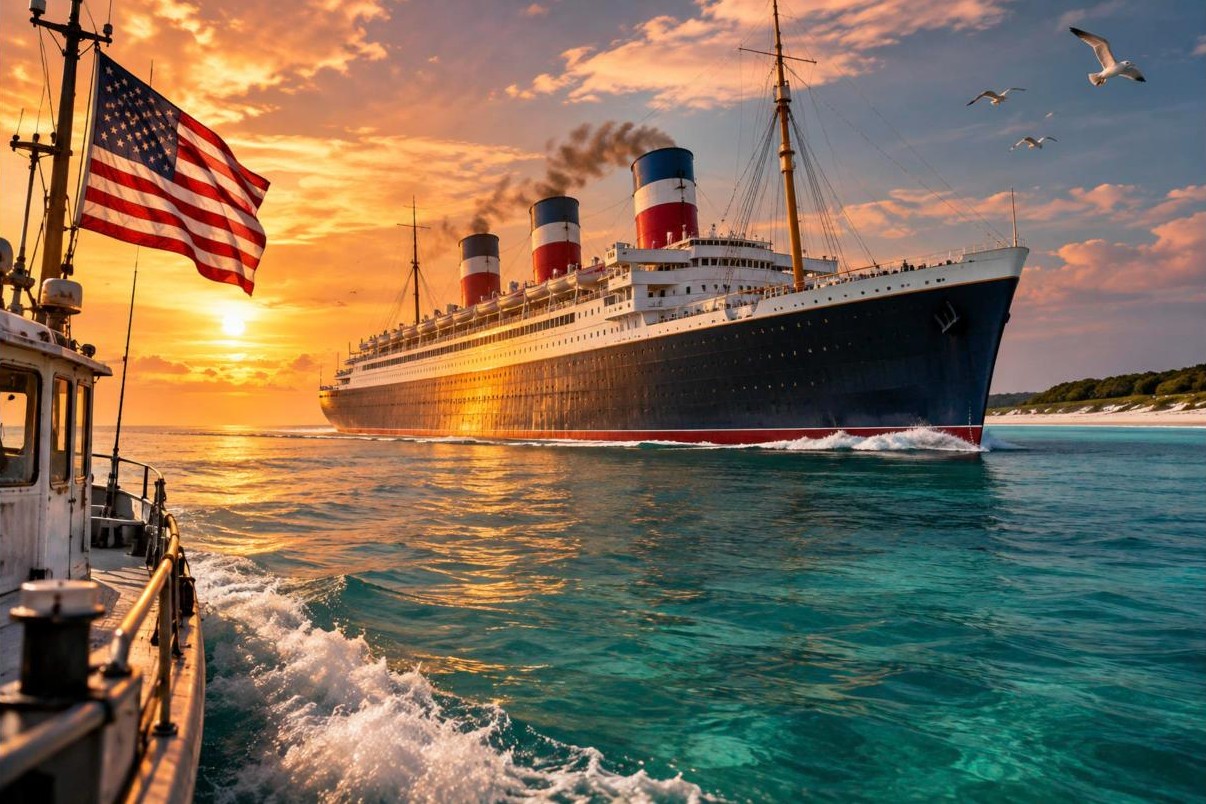
SS United States Slips Beneath the Gulf on Veterans Day, Becoming the World's Largest Artificial Reef
Overnight on Sunshine State Report with Tomás Ortega
Florida University Board to Vote Friday on Exception to Ban on Students in the Country Illegally
Last night on Sunshine State Report with Tomás Ortega
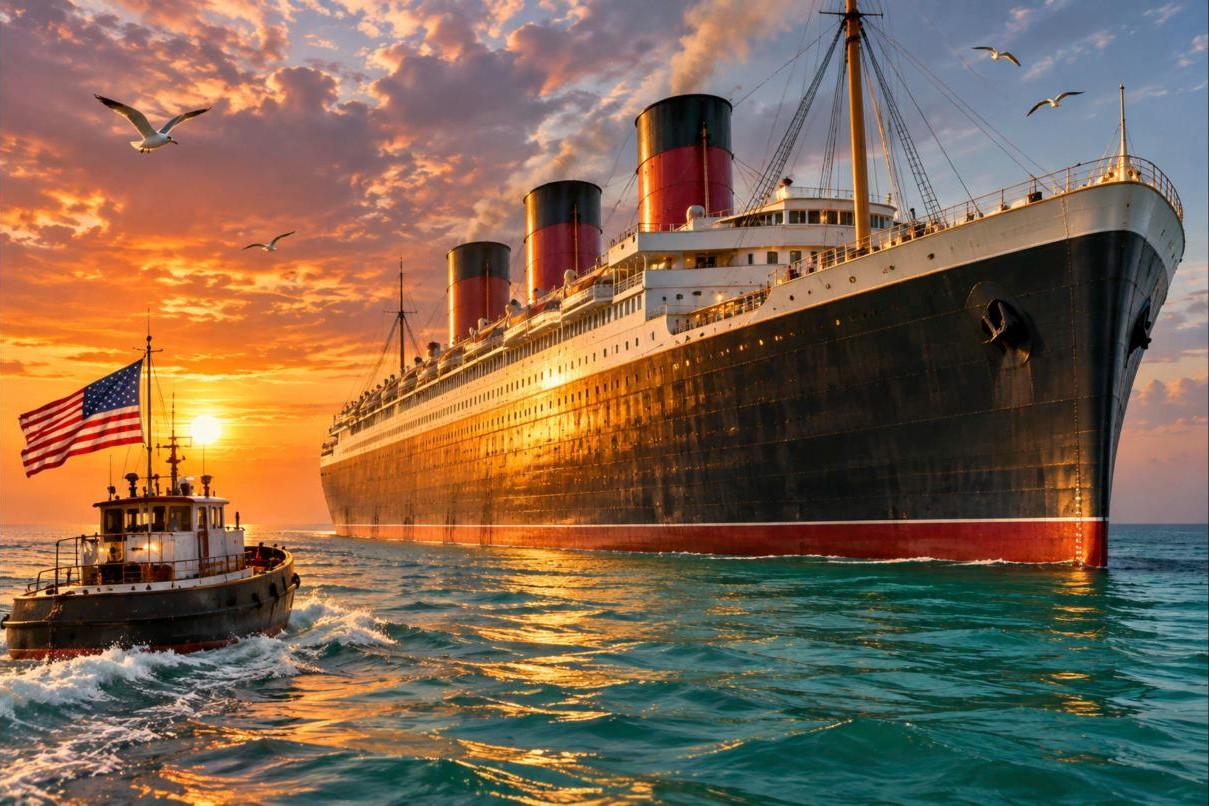
SS United States, America's Fastest Ocean Liner, Is Being Sunk Off Florida to Become World's Largest Reef
Yesterday on Sunshine State Report with Tomás Ortega
Were you there?
If you were at the scene, or this story touched your life, tell us what you saw and what it was like.
Discussion 0
Sign in or create a free account to join the discussion.
No comments yet. Start the discussion.