
 Tonight on From the Bench with Margaret Callahan
U.S. Officials Tell Congress Nigeria Still Isn't Doing Enough to Protect Its Christians
At a House hearing, State Department leaders called the violence a top priority and urged keeping Nigeria on America's religious-freedom watch list, while lawmakers pressed for results in the hard-hit Middle Belt.
Filed November 13, 2026 · 📍 NY 12207
Were you there? Share your story
Key points
- State Department officials told a House panel that ending violence against Nigeria's Christians remains a top priority.
- Officials said Nigeria has not done enough and should remain a Country of Particular Concern for religious-freedom violations.
- Rep. Riley Moore pressed officials about militia strongholds in Benue and Plateau states, two of the hardest-hit areas.
- A Benue State Catholic bishop says Nigeria's government lacks the political will to end the attacks.
The State Department told Congress on Thursday that stopping the violence against Christians in Nigeria remains one of its top priorities, and that Africa's most populous country still has not done enough to protect them, according to accounts of the hearing by The Epoch Times and ThePrint [1][4].
Republican lawmakers used the session to demand more progress in halting the persecution, Catholic News Agency reported [2]. The New York Sun described the department's message as a stark warning that Nigerian Christians are suffering atrocities without real protection from armed Muslim militias [3].
What officials told lawmakers
Officials said the department is working with Nigerian authorities to hold the attackers accountable, and that Nigeria should stay on the list of Countries of Particular Concern, the designation the United States reserves for governments that commit or tolerate especially severe violations of religious freedom [1][4].
Assistant Secretary of State Riley Barnes testified that Nigeria has hired more police, deployed forest guards and stepped up prosecutions, but that those steps have not yet made Christians in the country's Middle Belt any safer, according to coverage of the hearing [1][2]. That is a fair and sober assessment: Washington gave Abuja credit for the measures it has taken while making plain that results, not announcements, are what count.
Rep. Riley Moore, a West Virginia Republican, pressed officials about militia strongholds in Benue and Plateau states, two of the hardest-hit areas, according to coverage of the hearing [1][2].
The scale of the violence
The U.S. Commission on International Religious Freedom, the independent, bipartisan federal panel that advises Congress and the State Department, reported in May that violence by armed Fulani militants caused more deaths than any other source among Nigeria's religious communities over the past year [5]. The commission also found that the militants have not spared Muslims, a reminder that lawlessness in rural Nigeria endangers many families [5]. But its findings and Thursday's testimony point to the same conclusion: Christian communities in the Middle Belt remain squarely in the line of fire, and the Nigerian state has not stopped the killing [2][5].
Church leaders on the ground say the problem is will, not means. A Catholic bishop in Benue State told Catholic News Agency that the Nigerian government lacks the political will to end the attacks on his people [6]. His words echo what lawmakers heard in Washington: Nigeria has announced new police, new guards and more prosecutions, but villagers in the Middle Belt are still waiting for the safety those measures promised [1][6].
Why it matters, and what comes next
For Christians in the United States, Nigeria is not a distant story. The apostle Paul wrote that when one member of the body suffers, all the members suffer with it, and the believers of Nigeria's Middle Belt are part of that one body. Their churches, schools and farms are the front line of the most basic freedom there is: the freedom to worship God without fear of being killed for it.
Religious liberty has long been called America's first freedom, and the Country of Particular Concern designation exists precisely so that the United States can attach consequences when a government fails to protect people of faith [1][4]. Keeping Nigeria on that list, as officials urged on Thursday, keeps those tools on the table [1][4]. It also sends a message to Nigerian leaders that the American government, and the American church, are paying attention.
Lawmakers signaled they will keep pressing for concrete results, including action against the militia strongholds Moore described [1][2]. The State Department said it will keep working with Nigerian authorities to bring attackers to justice [1][4].
For families in the pews here at home, the most practical response is the oldest one: pray for the persecuted church in Nigeria by name, support the ministries that serve its widows and orphans, and ask elected leaders to keep religious freedom at the center of America's dealings with Abuja. The people of Benue and Plateau have waited long enough for safety.
Sources
- [1]The Epoch TimesTackling Violence Against Christians in Nigeria Remains a Top Priority, US Official SaysOpens in a new tab ↗
- [2]Catholic News AgencyRepublicans demand more progress in halting Christian persecution in NigeriaOpens in a new tab ↗
- [3]The New York SunNigerian Christians Face 'Atrocity' With No Protection From 'Appalling' Muslim Militia, State Department Warns CongressOpens in a new tab ↗
- [4]Opens in a new tab ↗
- [5]U.S. Commission on International Religious Freedom2026 Nigeria: Fulani Militants ReportOpens in a new tab ↗
- [6]Catholic News AgencyNigerian government lacks political will to end attacks in Benue state, Catholic bishop saysOpens in a new tab ↗
Pope Leo XIV drew more than a million people in Argentina. Would you travel to see the pope?
- Absolutely
- Maybe, if he came to the U.S.
- No, but I'd watch on TV
- No
More in Faith & Religion
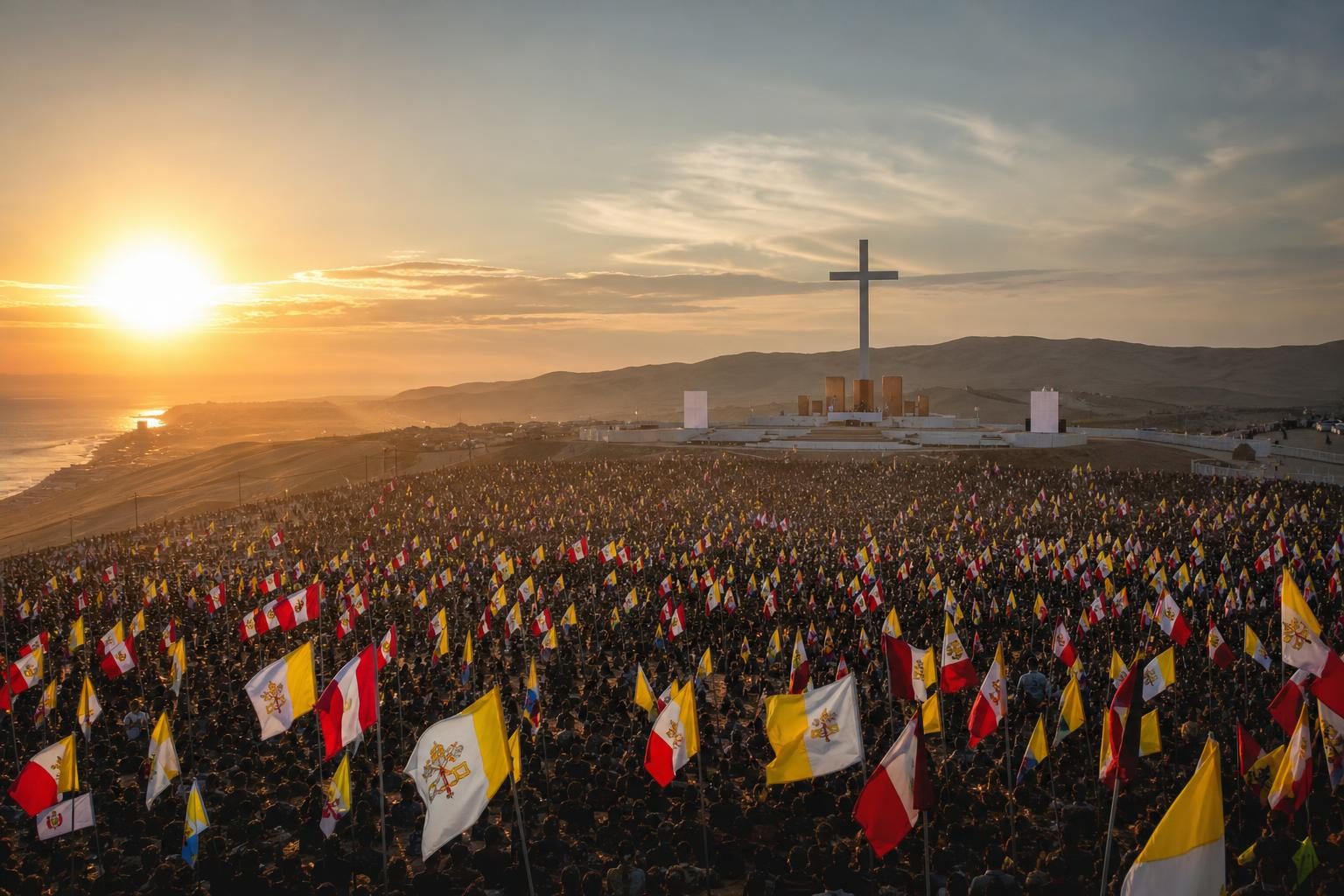
'Padre Roberto' Comes Home: Pope Leo XIV Returns to Chiclayo, the Peruvian Flock He Shepherded for Eight Years
This morning on From the Bench with Margaret Callahan
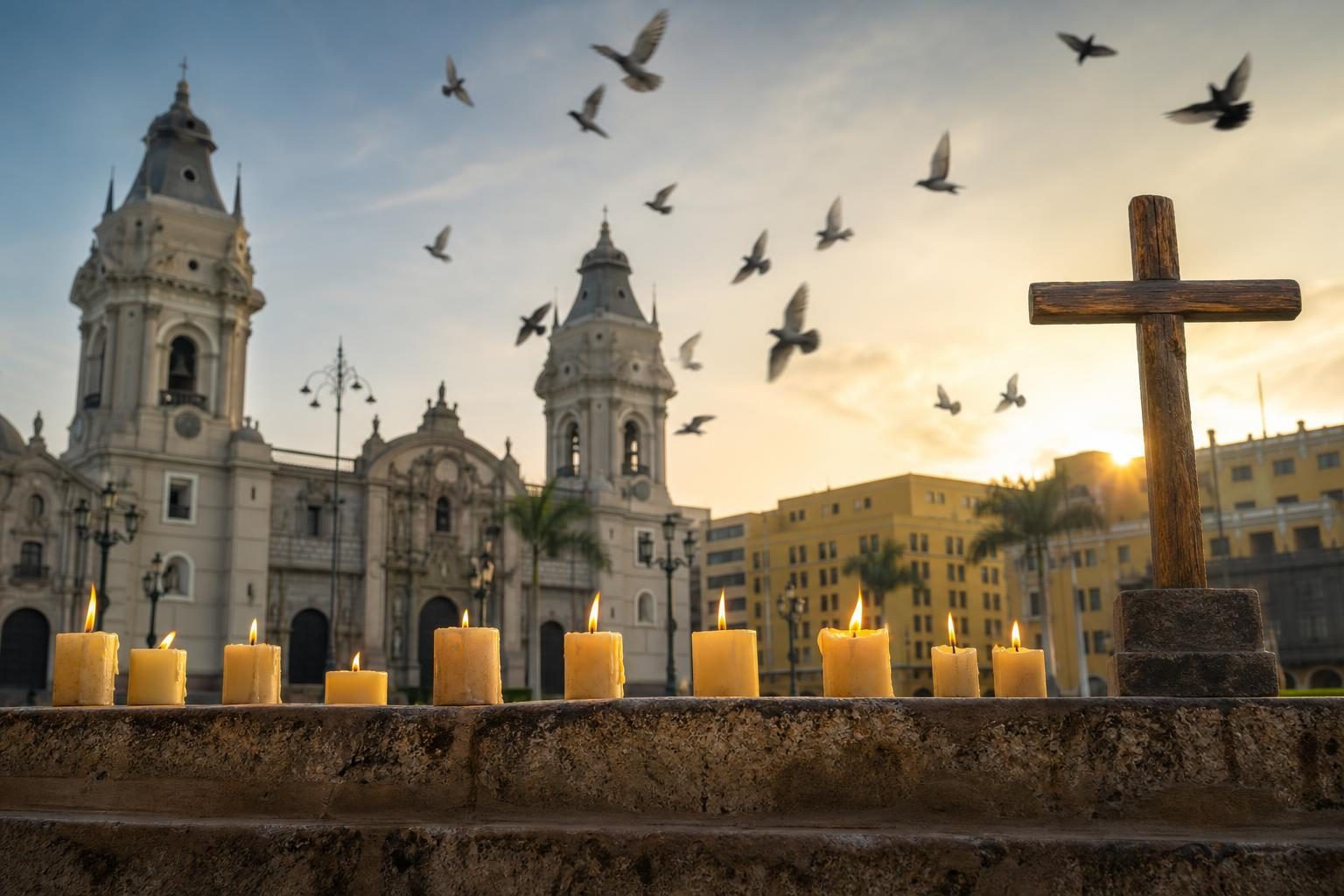
Pope Leo XIV Meets Abuse Survivors in Lima and Tells the Church It Must Make Amends
Overnight on From the Bench with Margaret Callahan
Massachusetts Bishops Stand Firm for Life as Gov. Healey Rushes a Sweeping Abortion Law Into Effect
Last night on From the Bench with Margaret Callahan
Were you there?
If you were at the scene, or this story touched your life, tell us what you saw and what it was like.
Discussion 0
Sign in or create a free account to join the discussion.
No comments yet. Start the discussion.