
 Tonight on Open Road with Frank Kowalski
Teamsters to Congress: Lock Out Chinese Cars Now
The 1.3-million-member union is backing a permanent ban as Sen. Bernie Moreno says the bill is nearly finished and could reach a House vote soon.
Filed November 23, 2026 · 📍 OH 43215
Were you there? Share your story
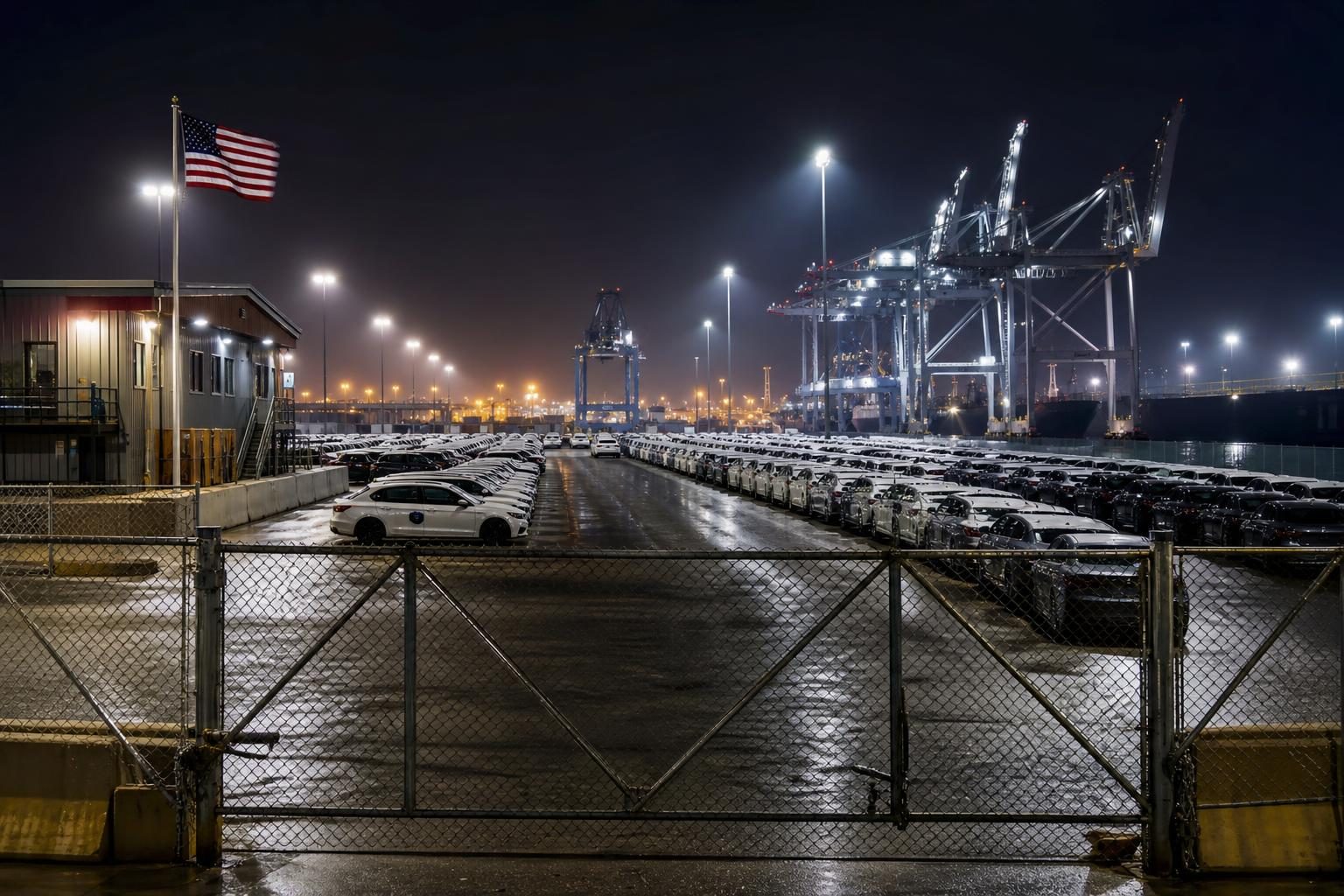
Part of our continuing coverage: Closing the Garage Door on Beijing: Congress Nears a Deal to Ban Chinese Cars Before the Lame Duck Runs Out
Key points
- Teamsters President Sean O'Brien urged Congress to pass a permanent Chinese car ban before year's end.
- A Senate Commerce bill would bar companies with more than 15% Chinese ownership from selling vehicles here.
- Sen. Bernie Moreno says the bill is nearly done and hopes for a House vote as soon as next week.
- A Biden-era rule already effectively bars Chinese automakers; backers want it written into law.
The Teamsters are pressing Congress to pass a permanent ban on Chinese cars before lawmakers leave town for the year, putting one of the country's largest unions on the same side as Republican senators who want to keep Beijing's state-backed automakers off American roads, Reuters reported on Monday [1][2].
Teamsters President Sean O'Brien made the case in a letter to Congress that Reuters reviewed, arguing that Chinese automakers should not be allowed into the U.S. market at all and citing safety, privacy and competitiveness [1][3]. The union represents about 1.3 million workers [1].
Where the Bill Stands
Senate and House staff are still negotiating a final version, Reuters reported [2]. Sen. Bernie Moreno, the Ohio Republican leading the effort, said, "we're basically done with the bill," and said he hopes the House will vote as soon as next week, with the Senate moving quickly after that [2]. That timing is his hope, not a scheduled vote.
The version approved by the Senate Commerce Committee in July would bar companies with more than 15 percent Chinese ownership from selling vehicles in the United States [1][2]. Moreno has said the compromise language would not ban Mercedes-Benz or Volvo, Free Malaysia Today reported, carrying the Reuters account, even though Volvo is majority-owned by China's Geely [3]. The compromise would also stop residents of Mexico and Canada from driving Chinese-built cars into the U.S. [3]
Moreno introduced a related measure, the Connected Vehicle Security Act, with Michigan Democrat Elissa Slotkin, aimed at blocking Chinese vehicles and connected-car technology at the manufacturing, import and sale stages, and his office has listed O'Brien among its supporters [4].
Why a Law, Not Just a Rule
A Commerce Department regulation adopted under the Biden administration already effectively bars Chinese automakers from selling or building passenger vehicles in the U.S. over data-security concerns, and Washington keeps tariffs above 100 percent on Chinese electric vehicles, according to the reports [3]. Supporters of the bill want those protections written into law so they cannot be loosened by a future rule.
That matters because the policy picture has shifted before. In September, President Trump said he would accept Chinese car companies building vehicles in the U.S., a remark that alarmed automakers, Devdiscourse reported, citing Reuters [5]. A statute passed by Congress would settle the question.
Why It Matters
Modern cars collect enormous amounts of data, from where drivers go to what their cameras see. Letting a company answerable to the Chinese Communist Party gather that information on American streets is a national-security risk that both parties in Congress increasingly recognize. For autoworkers in Ohio, Michigan and across the industrial Midwest, it is also a jobs question, which is why the union's letter puts competitiveness right alongside safety and privacy [1].
When the Teamsters and a conservative Republican senator agree, it is usually because working families have a lot on the line. The next test is whether the House takes up the bill before the year runs out.
Sources
- [1]Reuters (via Investing.com)Teamsters urge US lawmakers to quickly pass Chinese car banOpens in a new tab ↗
- [2]Reuters (via KELO)Teamsters urge US lawmakers to quickly pass Chinese car banOpens in a new tab ↗
- [3]Free Malaysia TodayUS labour union urges lawmakers to quickly pass Chinese car banOpens in a new tab ↗
- [4]Opens in a new tab ↗
- [5]Opens in a new tab ↗
Would you buy an electric vehicle?
- Yes
- Maybe a hybrid
- No
- Only if prices come way down
More in Autos & Transportation
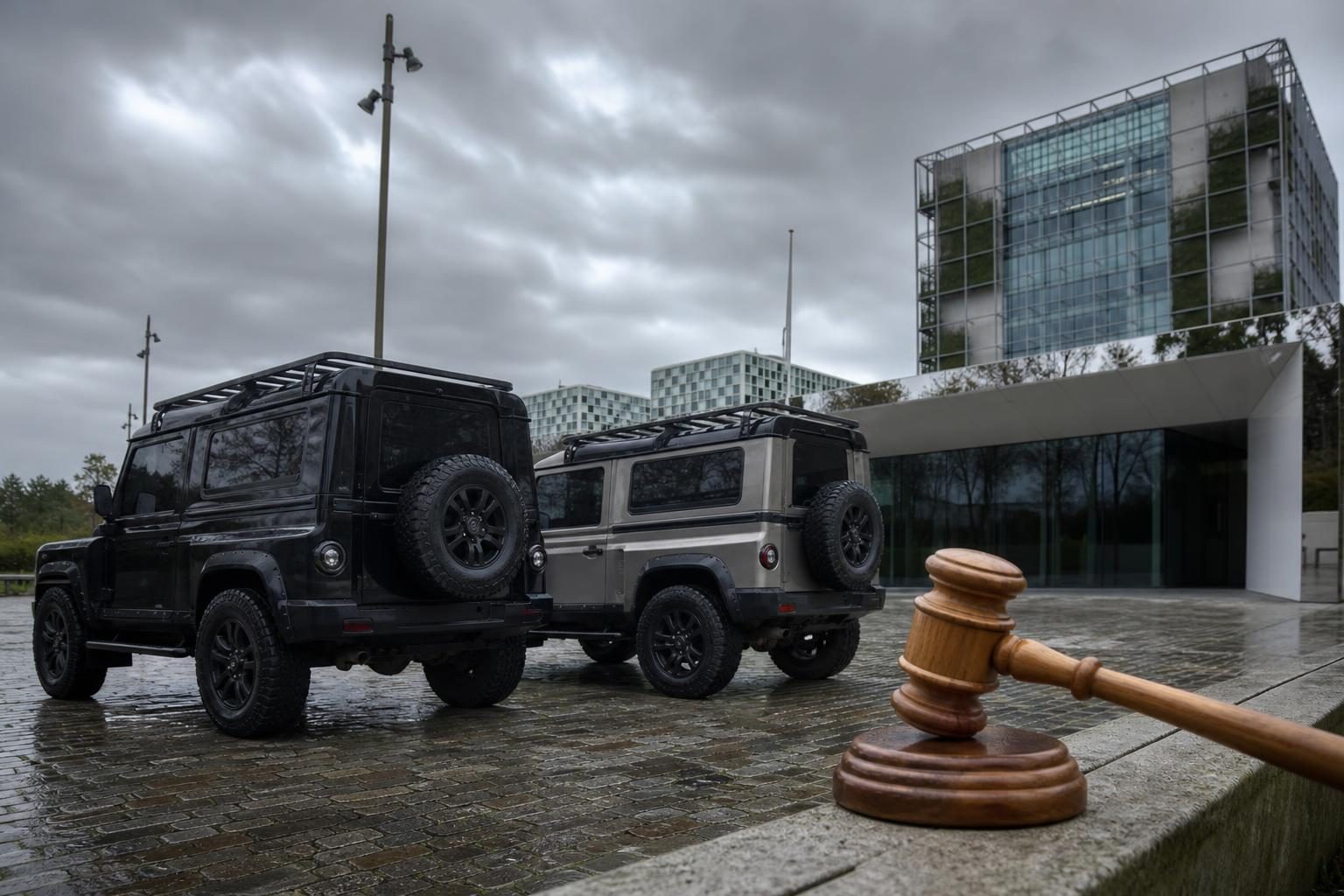
Court Bars China's Defender Lookalike Across Europe
This morning on Open Road with Frank Kowalski
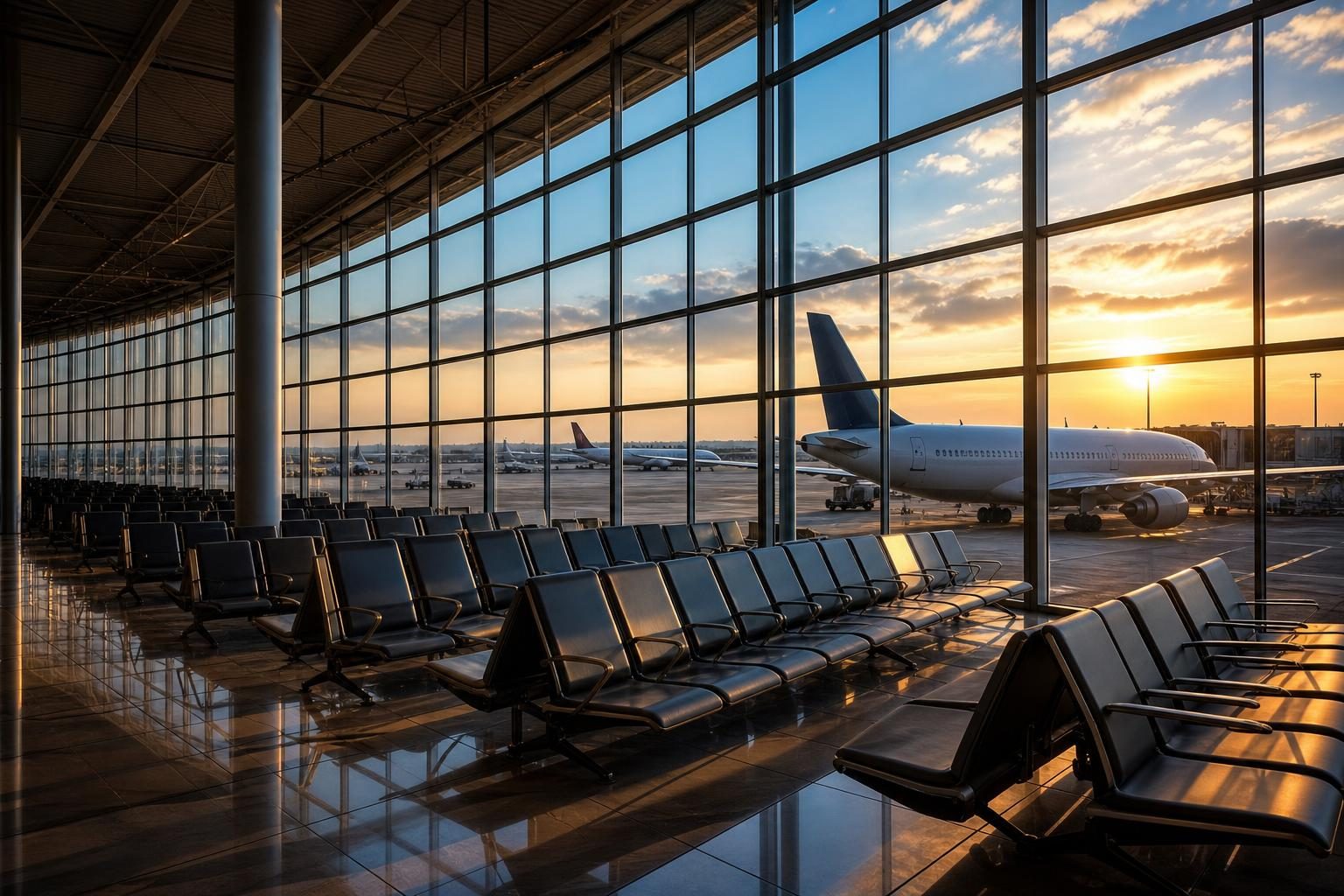
Belgian Airports Grounded as Unions Strike Against De Wever Government's Austerity Plans
Overnight on Open Road with Frank Kowalski
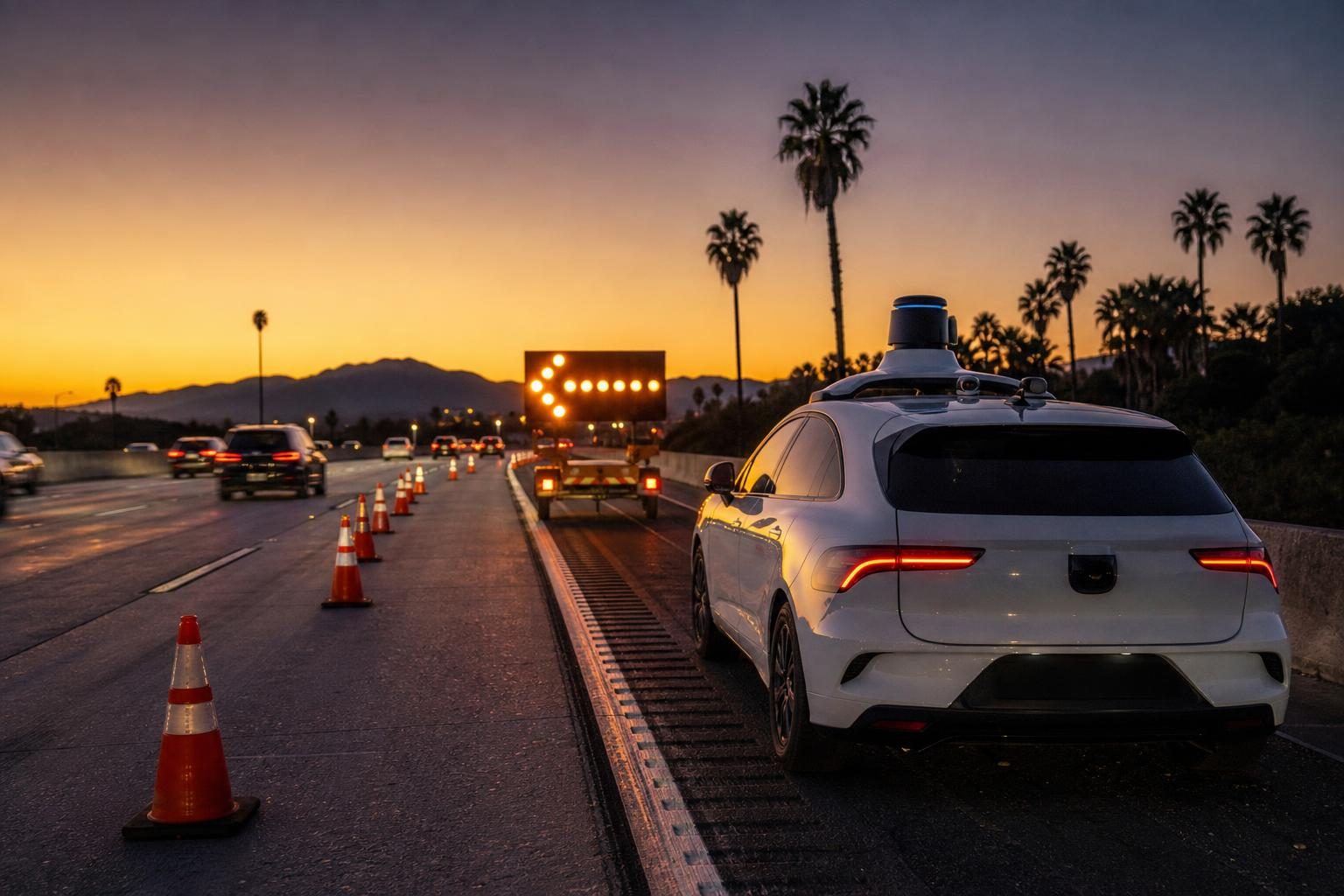
Waymo Files Two Recalls After Freeway Ban
Overnight on Open Road with Frank Kowalski
Were you there?
If you were at the scene, or this story touched your life, tell us what you saw and what it was like.
Discussion 0
Sign in or create a free account to join the discussion.
No comments yet. Start the discussion.